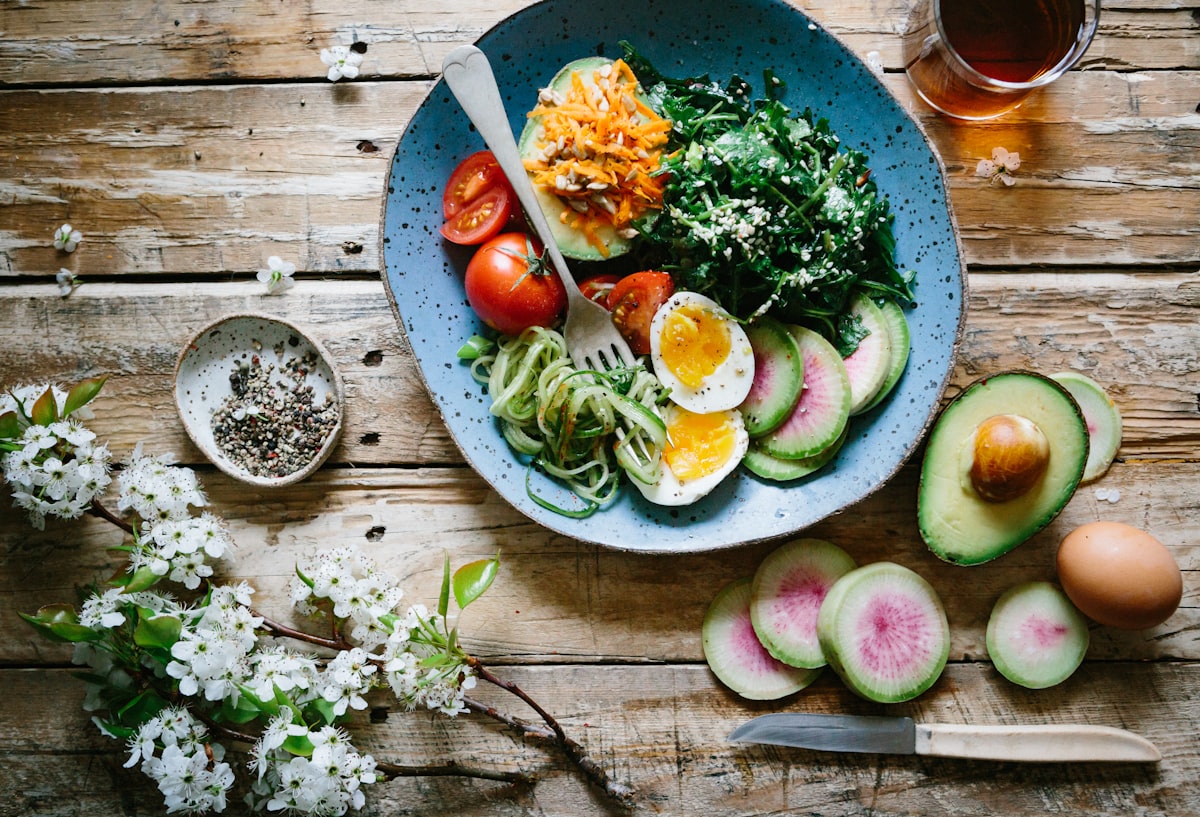
Supplements get the marketing. Food does most of the work.
Inflammation is not automatically bad. Your body uses inflammation to heal injuries and fight infection. The problem is when inflammation-related patterns stay elevated over time because of poor sleep, chronic stress, inactivity, smoking, excess alcohol, or a consistently low-quality diet.
No single food cures inflammation. But certain foods fit into eating patterns that are repeatedly associated with better health. If your goal is to support a healthier inflammation balance, start with the foods you eat often — not the newest supplement bottle.
Why Food Matters More Than a Single Supplement
Supplements usually isolate one nutrient or compound. Food gives you combinations of fiber, minerals, healthy fats, protein, and plant compounds. That combination is one reason diet quality matters so much.
The goal is not to eat one “superfood” and expect everything to change. The goal is to make your normal meals less processed, more colorful, and more nutrient-dense.
1. Fatty Fish
Salmon, sardines, mackerel, trout, and similar fish provide omega-3 fats, especially EPA and DHA. These fats are widely studied for their role in heart health and inflammatory pathways.
If you do not eat fish, your diet can still be healthy, but fatty fish is one of the most direct food sources of these omega-3s. A practical goal is to include it a couple of times per week if it fits your budget and preferences.
2. Berries
Blueberries, strawberries, raspberries, and blackberries provide fiber, vitamin C, and polyphenols. They are also easy to add to breakfast, yogurt, oats, smoothies, or snacks.
Berries are useful because they can replace less helpful sweets while adding nutrients and color to the diet. They are also easier to stick with than complicated supplement routines.
3. Extra Virgin Olive Oil
Extra virgin olive oil is a major part of Mediterranean-style eating. It provides monounsaturated fats and plant compounds that support overall diet quality.
Use it in salads, cooked vegetables, or simple sauces. The goal is not to drink oil or add unlimited calories — it is to replace less helpful fats and dressings with a better option.
4. Leafy Greens
Spinach, kale, arugula, romaine, and other greens are nutrient-dense and low in calories. They provide vitamins, minerals, fiber, and antioxidants.
You do not need exotic greens or expensive powders. Most people simply need more consistent vegetables.
5. Beans and Lentils
Beans and lentils are underrated. They provide fiber, plant protein, minerals, and slow-digesting carbohydrates. Fiber supports gut health, fullness, and better metabolic patterns.
What These Foods Have in Common
They are not magic. They are simply high-quality foods that support better meals. They tend to replace processed snacks, sugary desserts, refined carbohydrates, and low-fiber choices.
That replacement effect matters. A bowl of beans and vegetables is not just adding nutrients — it may also be displacing a meal that would have been less helpful.
🥗 Simple Kitchen Upgrade
If you want to eat more anti-inflammatory foods, start with practical basics: olive oil, berries, beans, greens, and fatty fish. Practical beats perfect.
What to Reduce Too
Adding helpful foods is only half the picture. It also matters what they replace. Try reducing sugary drinks, frequent fried foods, ultra-processed snacks, heavy alcohol intake, and low-fiber meals.
A Simple Anti-Inflammatory Day
- Breakfast: yogurt with berries and nuts
- Lunch: beans or lentils with vegetables and olive oil dressing
- Dinner: fatty fish with greens and a high-fiber carbohydrate
- Snack: fruit, nuts, or a simple protein option
This is not a strict diet plan. It is an example of how simple foods can build a better pattern.
Why Food Beats Most Supplements
Food gives you combinations of nutrients, fiber, fats, and plant compounds. Supplements usually isolate one thing. Sometimes supplements are useful, but they do not replace a strong foundation.
What About Turmeric, Ginger, and Green Tea?
These can fit into a healthy diet too, but they should not distract from the bigger picture. A person who eats mostly ultra-processed food will not fix that with a turmeric capsule.
Use herbs, spices, and teas as additions, not as the whole strategy.
Quick FAQ
Can food really lower inflammation?
Diet can influence inflammation-related markers and overall health patterns, but no single food works like medication.
How long does it take to notice a difference?
Energy, digestion, and cravings may change within weeks, but deeper health changes usually take consistent habits over time.
Do I need supplements?
Not necessarily. Supplements may help in specific cases, but food quality should come first.
How to Start Without Overhauling Everything
The easiest way to improve your diet is not to change everything at once. Pick one meal and improve that first. For example, add berries to breakfast, use olive oil dressing at lunch, or add beans to dinner a few times per week.
Small repeatable changes usually beat dramatic plans that last three days.
Common Mistakes
- buying supplements before improving meals
- expecting one food to fix everything
- adding healthy foods but keeping the same processed diet
- ignoring sleep, stress, and movement
Inflammation is affected by the whole lifestyle. Food matters, but it does not work alone.
Who Should Be More Careful
If you have autoimmune disease, inflammatory bowel disease, heart disease, diabetes, or another medical condition, food changes can still be helpful — but they should fit your medical care, not replace it. Work with a qualified clinician when symptoms are serious or ongoing.
Simple Shopping List
- canned sardines or salmon
- frozen berries
- extra virgin olive oil
- spinach or other greens
- lentils or beans
Keeping these basics around makes healthier meals easier when you are busy.
The Bottom Line
The best anti-inflammatory diet is not built around one miracle ingredient. It is built around repeated choices: more fish, berries, olive oil, greens, beans, and fewer ultra-processed foods. That is less flashy than a supplement ad, but usually more useful.