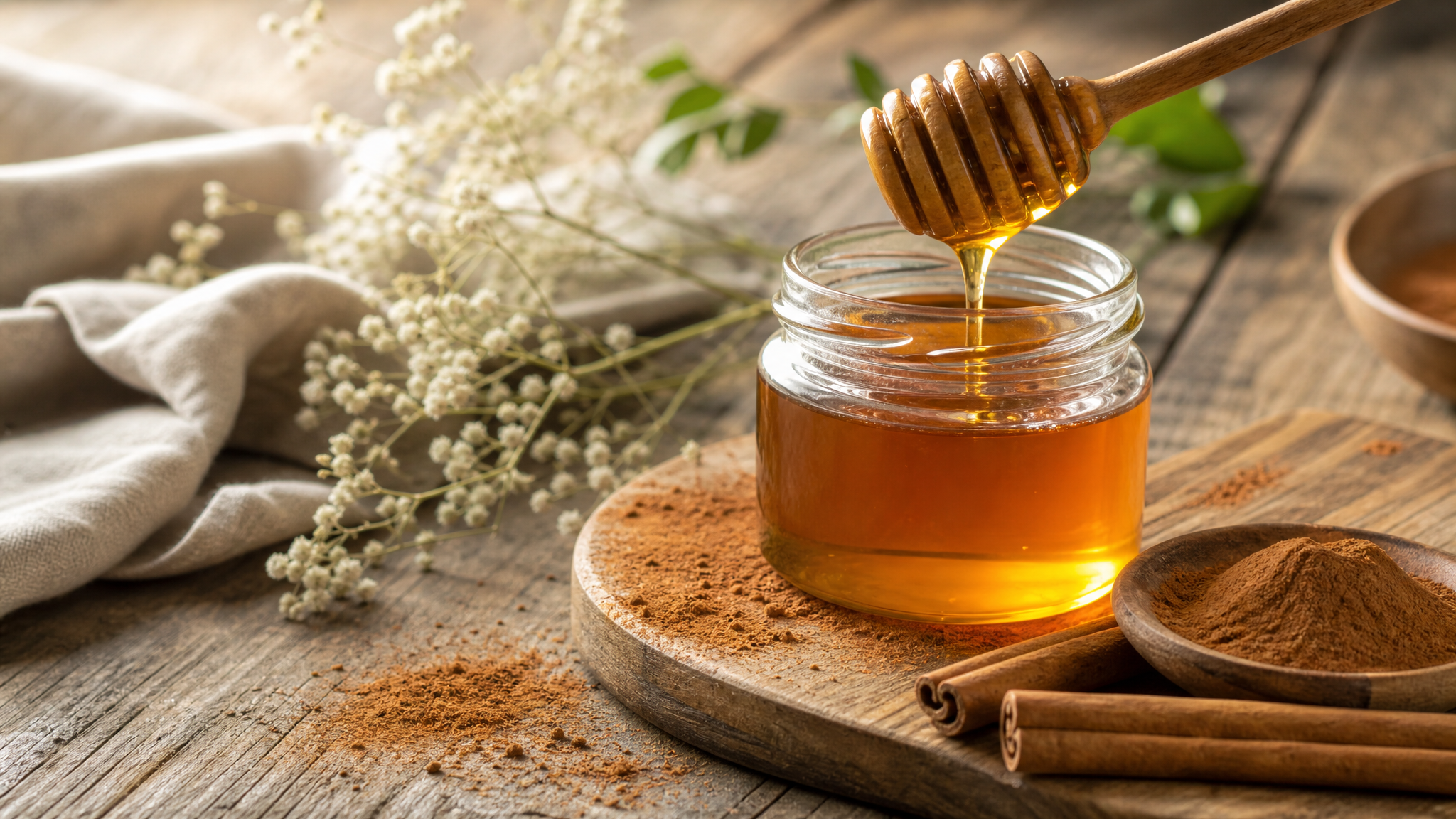
What Happens When You Combine Honey and Cinnamon
For centuries, honey and cinnamon have been used separately as natural remedies. But when combined, they create a powerful duo that modern science is beginning to validate. This article explores the research-backed benefits of mixing honey and cinnamon, how to use them safely, and what the science actually says versus what social media claims.
The Science Behind Honey’s Healing Properties
Honey is far more than a natural sweetener. Raw honey contains over 180 different compounds, including antioxidants, enzymes, amino acids, and trace minerals. The key bioactive components include flavonoids and phenolic acids, which give honey its antioxidant and anti-inflammatory properties.
Research published in the Journal of Agricultural and Food Chemistry found that honey’s antioxidant capacity varies by floral source, with darker varieties like buckwheat honey containing the highest levels. These antioxidants help neutralize free radicals in the body, reducing oxidative stress that contributes to chronic inflammation.
Manuka honey, produced in New Zealand from the nectar of the manuka tree, has gained particular attention for its potent antibacterial properties. Studies have shown it effective against antibiotic-resistant bacteria like MRSA. However, regular raw honey also demonstrates significant antimicrobial effects due to its low pH, high sugar content, and natural hydrogen peroxide production.
Importantly, honey should never be given to infants under one year old due to the risk of botulism. For adults, raw honey provides the most benefits, as pasteurization destroys many of the beneficial enzymes and compounds.
Why Cinnamon Is More Than Just a Spice
Cinnamon comes from the inner bark of Cinnamomum trees and has been used medicinally for thousands of years. However, not all cinnamon is created equal. There are two main types:
Ceylon cinnamon (true cinnamon) comes from Sri Lanka and contains very low levels of coumarin, a compound that can be toxic to the liver in high doses. Cassia cinnamon, the more common and cheaper variety found in most supermarkets, contains significantly higher coumarin levels. For regular consumption, Ceylon cinnamon is the safer choice.
The active compound in cinnamon responsible for most health benefits is cinnamaldehyde. Research published in Diabetes Care showed that cinnamon can improve insulin sensitivity and lower fasting blood glucose levels in people with type 2 diabetes. A meta-analysis of 10 randomized controlled trials found that cinnamon consumption was associated with a statistically significant decrease in fasting blood glucose, total cholesterol, and triglycerides.
Cinnamon also demonstrates potent anti-inflammatory effects. Studies have shown it can inhibit the release of inflammatory fatty acids from cell membranes and reduce the production of inflammatory cytokines. Its antioxidant capacity is among the highest of all spices, surpassing many fruits and vegetables on a per-gram basis.
The Synergistic Effect: Why 1 + 1 = 3
When honey and cinnamon are combined, their individual benefits appear to amplify each other. While direct clinical trials on the combination are limited, the mechanisms suggest powerful synergy:
Enhanced antimicrobial action: Research from the University of Southampton found that combining honey with cinnamon extract created a more potent antibacterial effect than either substance alone. The combination was particularly effective against common respiratory pathogens.
Improved wound healing: A study in the Journal of Wound Care demonstrated that a honey-cinnamon mixture accelerated wound healing in diabetic patients compared to standard treatments. The combination reduced inflammation, prevented infection, and stimulated tissue regeneration.
Better blood sugar control: While both honey and cinnamon individually affect glucose metabolism, preliminary research suggests the combination may have a more pronounced effect on post-meal blood sugar spikes. The cinnamon helps improve insulin sensitivity while honey provides a more gradual glucose release than refined sugar.
Anti-inflammatory powerhouse: Chronic inflammation is linked to virtually every major disease, from heart disease to cancer to Alzheimer’s. Both honey and cinnamon target multiple inflammatory pathways, and their combination may provide broader protection than either alone.
Proven Benefits vs. Internet Myths
The internet is full of exaggerated claims about honey and cinnamon. Let’s separate fact from fiction:
CLAIM: Honey and cinnamon cure cancer.
REALITY: While both contain compounds with anti-cancer properties in laboratory studies, there is no evidence they cure cancer in humans. Some test-tube studies show promising results, but these do not translate directly to human treatment.
CLAIM: The combination causes dramatic weight loss.
REALITY: No clinical trials support this. While cinnamon may help regulate blood sugar (reducing cravings), and honey is a better sweetener choice than refined sugar, there is no magic weight loss effect.
CLAIM: Honey and cinnamon prevent heart disease.
REALITY: This is partially supported. Both have been shown to improve markers of cardiovascular health—cinnamon reduces LDL cholesterol and triglycerides, while honey’s antioxidants protect blood vessels. However, they should complement, not replace, standard heart-healthy practices.
CLAIM: The mixture boosts immunity.
REALITY: Moderately supported. Both have antimicrobial properties, and honey has been shown to soothe sore throats and reduce cough severity. However, they don’t “boost” the immune system in the way vitamin C or zinc might.
How to Use Honey and Cinnamon Safely
To maximize benefits while minimizing risks:
Choose the right cinnamon: Use Ceylon cinnamon for daily consumption. If using Cassia cinnamon, limit intake to no more than 1 teaspoon per day to avoid coumarin toxicity.
Use raw, unprocessed honey: Look for “raw” or “unfiltered” on the label. Local honey may provide additional benefits for seasonal allergies, though the evidence is mixed.
Don’t overheat: Adding honey to boiling water destroys beneficial enzymes. Let your tea cool slightly before adding honey, or add cinnamon to hot drinks and honey once it reaches drinkable temperature.
Monitor blood sugar: While cinnamon may help regulate glucose, honey still raises blood sugar. Diabetics should monitor levels carefully and consult their healthcare provider.
Watch the calories: Honey contains 64 calories per tablespoon. The health benefits don’t negate the caloric content.
Simple Ways to Add the Combo to Your Diet
Here are practical, evidence-informed ways to use honey and cinnamon:
Morning oatmeal: Add ½ teaspoon Ceylon cinnamon to cooked oats, then drizzle with 1 teaspoon raw honey after cooling slightly.
Tea blend: Steep green or black tea with a cinnamon stick. Remove the stick and let cool to warm before adding honey.
Yogurt topping: Mix a pinch of cinnamon into Greek yogurt, then add honey and nuts for a balanced snack.
Smoothie boost: Add ¼ teaspoon cinnamon to your morning smoothie along with a teaspoon of honey for natural sweetness.
Overnight oats: Combine oats, milk, cinnamon, and a touch of honey in a jar. Refrigerate overnight for an easy breakfast.
Toast upgrade: Spread almond butter on whole-grain toast, sprinkle with cinnamon, and drizzle with honey.
Who Should Avoid or Limit This Combination
While generally safe, certain groups should exercise caution:
People with liver conditions: If using Cassia cinnamon, the coumarin content may worsen liver problems. Switch to Ceylon cinnamon or avoid regular consumption.
Diabetics: Monitor blood glucose carefully. While cinnamon may help, honey still impacts blood sugar.
Those on blood thinners: Cinnamon (especially Cassia) may have mild anticoagulant effects. Consult your doctor if taking warfarin or similar medications.
Infants: Never give honey to children under 12 months due to botulism risk.
People with cinnamon allergies: Though rare, cinnamon allergies do exist and can cause mouth sores or skin reactions.
The Bottom Line
Honey and cinnamon are a powerful combination with genuine health benefits supported by scientific research. They offer antimicrobial properties, anti-inflammatory effects, blood sugar regulation, and cardiovascular support. However, they are not miracle cures.
The key is using quality ingredients—raw honey and Ceylon cinnamon—and incorporating them as part of a balanced diet rather than relying on them as treatments. As with any dietary change, consult your healthcare provider if you have existing health conditions or take medications.
Used wisely, this ancient combination can be a delicious and health-promoting addition to your daily routine.