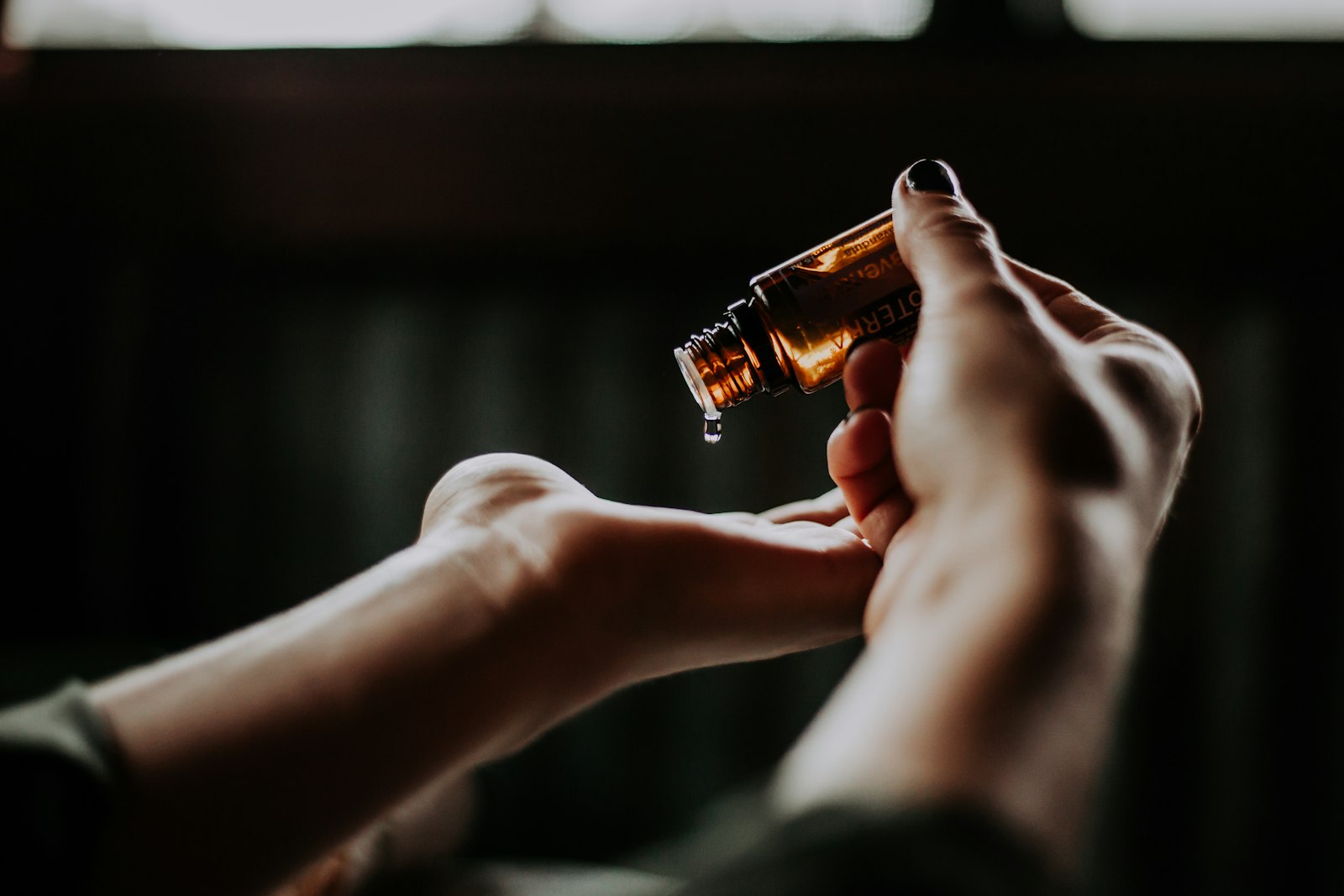
Dry brushing looks like one of those wellness habits that was designed for social media: a wooden brush, soft bathroom lighting, smooth skin, and claims about detoxing, lymph drainage, cellulite, glowing skin, and better circulation.
It sounds almost too easy. Brush your skin before a shower and somehow your body becomes smoother, cleaner, brighter, less bloated, and more energized.
So what is actually true?
Dry brushing can help with one very real thing: gentle physical exfoliation. It may temporarily make skin look smoother and feel softer because it removes some dead skin cells from the surface. It may also feel good in the same way massage or a body-care ritual can feel good.
But many of the bigger claims are exaggerated. Dry brushing does not “detox” your body in the way social media often suggests. It does not permanently remove cellulite. It does not replace exercise, hydration, sleep, skincare, or medical care. And if you do it too aggressively, it can irritate your skin instead of improving it.
Here is what dry brushing can do, what it probably cannot do, who should avoid it, and how to try it safely if you are curious.
What Is Dry Brushing?
Dry brushing means brushing dry skin with a body brush, usually before showering. The brush is typically made with natural or synthetic bristles and may have a long handle for reaching the back and legs.
Most routines involve brushing upward from the feet and hands toward the center of the body using light strokes. People usually do it for a few minutes, then shower and moisturize.
The habit is often promoted as a way to:
- Exfoliate rough skin
- Improve circulation
- Support lymphatic drainage
- Reduce cellulite
- Boost energy
- Help the body detox
- Make skin glow
Some of these claims have a practical explanation. Others are mostly marketing.
The important thing is to separate “this may make my skin feel smoother” from “this will detox my body and erase cellulite.” Those are very different claims.
What Dry Brushing Actually Does Well
The most realistic benefit is exfoliation.
Your skin naturally sheds dead cells, but sometimes those cells build up on the surface. That can make skin feel rough, dry, dull, or flaky. A brush can physically remove some of that buildup.
Cleveland Clinic notes that dry brushing can exfoliate rough, dry skin and may temporarily leave skin smoother and brighter. That part makes sense. A brush is a mechanical exfoliant, similar in concept to a scrub, washcloth, or exfoliating mitt.
Exfoliation can be useful for areas like:
- Legs
- Arms
- Elbows
- Knees
- Rough patches on the body
It may also help body lotion spread and absorb more evenly because there is less flaky surface buildup. But this does not mean you should scrub hard. Skin is not a dirty pan. More pressure is not better.
The “Glowing Skin” Effect
Many people say their skin looks brighter after dry brushing. That can happen, but it is usually temporary.
There are two likely reasons:
First, exfoliation removes dull, dead surface cells. That can make skin look smoother.
Second, brushing temporarily increases blood flow near the skin surface. That can create a flushed, warm, “glowy” look for a short time.
This is not the same as changing skin health overnight. It is more like how your face may look pink after a gentle facial massage or after washing with warm water.
Temporary glow is fine. The problem is when people mistake temporary redness for proof that the body is detoxing or that the skin barrier is getting stronger.
If your skin looks bright but feels sore, itchy, raw, or tight afterward, you brushed too hard.
Does Dry Brushing Detox Your Body?
This is where the hype gets shaky.
Your body already has detox systems: mainly the liver, kidneys, lungs, digestive tract, and lymphatic system. Dry brushing the surface of the skin does not pull toxins out of the body in the dramatic way social media often suggests.
Some dry brushing fans talk about lymphatic drainage. The lymphatic system is real and important. Gentle movement, muscle contraction, breathing, hydration, and medical lymphatic drainage techniques can all matter in different contexts. But dry brushing at home is not a proven detox treatment.
A better way to think about it:
Dry brushing may feel stimulating and may support a body-care routine. But if someone claims it will detox your organs, cure fatigue, flatten your stomach, or fix a medical problem, be skeptical.
For everyday health, sleep, hydration, fiber, movement, and not smoking will do far more for your body’s natural detox systems than brushing your legs for five minutes.
Does Dry Brushing Reduce Cellulite?
Probably not in a lasting way.
Cellulite is extremely common. It happens because of the structure of fat, connective tissue, and skin. It is not a sign that your body is dirty, toxic, lazy, or unhealthy.
Dry brushing may temporarily make the skin look smoother because of exfoliation and increased surface circulation. That can make cellulite look slightly less noticeable for a short time. But it does not restructure connective tissue or permanently remove cellulite.
This matters because many people, especially women, are sold expensive routines based on insecurity. If dry brushing makes your skin feel good, fine. But do not let it become another reason to criticize a normal body.
If a product or routine promises to erase cellulite quickly, it is probably overselling.
Can Dry Brushing Help Ingrown Hairs?
It might help some people, but it can also make irritation worse.
Ingrown hairs can happen when hair grows back into the skin or when dead skin blocks the follicle opening. Gentle exfoliation may reduce some buildup and help keep skin smoother. That is why people sometimes use exfoliating mitts or mild chemical exfoliants before shaving.
But dry brushing is not ideal for everyone. If you already have razor bumps, inflamed follicles, acne-like bumps, eczema, or broken skin, brushing can aggravate the area.
If your goal is fewer ingrown hairs, use a gentle approach:
- Do not brush over active bumps
- Do not brush immediately after shaving
- Moisturize after showering
- Use a clean razor if shaving
- Consider gentle chemical exfoliation if your skin tolerates it
If ingrown hairs are painful, infected, or frequent, it is better to ask a dermatologist than to scrub harder.
Who Should Avoid Dry Brushing?
Dry brushing is not a good idea for everyone.
Avoid it or ask a clinician first if you have:
- Eczema flare-ups
- Psoriasis plaques
- Open cuts or wounds
- Sunburn
- Active body acne
- Skin infections
- Very sensitive skin
- Rosacea-prone areas
- Varicose veins that are painful or inflamed
- Recent surgery or medical skin treatments
Also avoid brushing over moles, rashes, bruises, or anything that looks irritated.
The American Academy of Dermatology advises choosing exfoliation methods carefully based on skin type and being gentle, because exfoliating too aggressively can make skin dry, red, or irritated. That applies to dry brushing too.
If your skin barrier is already struggling, dry brushing may not be the glow-up your skin needs. It may need less friction, more moisturizer, and time to heal.
How Often Should You Dry Brush?
You do not need to do it every day.
For many people, one to three times a week is enough. If your skin is dry, sensitive, or easily red, start once a week or skip it completely.
Signs you are doing it too often:
- Skin feels tight after showering
- Skin burns when you apply lotion
- You see redness that lasts
- You feel itchy afterward
- Your skin looks flaky despite moisturizing
- You notice new irritation or bumps
Dry brushing should feel light and comfortable. It should not feel like punishment.
A good rule: if your skin feels worse afterward, stop.
How to Dry Brush Safely
If you want to try it, keep the routine simple.
1. Use a clean, soft-to-medium body brush.
2. Brush dry skin before showering.
3. Use light pressure, not hard scrubbing.
4. Start at your feet and brush upward with short strokes.
5. Brush arms toward the shoulders.
6. Avoid the face, chest if sensitive, broken skin, rashes, and irritated areas.
7. Keep it short — 2 to 5 minutes is enough.
8. Shower afterward.
9. Apply moisturizer while skin is still slightly damp.
You do not need to brush until your skin turns bright red. A little warmth is normal. Pain, burning, scratches, or intense redness are not.
Wash the brush regularly and let it dry fully. A damp brush sitting in a bathroom can collect buildup, which is the opposite of good skin hygiene.
Dry Brushing vs. Body Scrubs
Dry brushing is not automatically better than body scrubs. They are just different forms of physical exfoliation.
Dry brushing:
- Done before showering
- Uses a brush
- Can be quick and low-mess
- May be too harsh if pressure is heavy
Body scrubs:
- Done in the shower
- Use particles like sugar, salt, or beads
- Can be messy
- Can also be too harsh, especially with rough particles
Neither is necessary for everyone. If your skin is smooth and comfortable, you do not need to exfoliate just because a trend says so.
If you use retinoids, acne treatments, acids, or other active skincare on your body, be careful combining them with dry brushing. Too much exfoliation from multiple sources can damage the skin barrier.
The Best Aftercare Step
The most important part of dry brushing is what you do afterward: moisturize.
Exfoliation without moisture can leave skin drier. After showering, apply a simple body lotion or cream while your skin is slightly damp. This helps trap water and support the skin barrier.
Look for ingredients like:
- Glycerin
- Ceramides
- Petrolatum
- Shea butter
- Squalane
- Urea or lactic acid if your skin tolerates them
If your skin is sensitive, fragrance-free products are usually safer.
For rough elbows, knees, or very dry legs, a thicker cream may work better than a light lotion.
What Results Should You Expect?
Realistic results:
- Skin may feel smoother
- Flaky patches may look better
- Lotion may apply more evenly
- Skin may look temporarily brighter
- The routine may feel energizing
Unrealistic expectations:
- Permanent cellulite removal
- Body detox
- Major weight loss
- Curing acne or eczema
- Fixing circulation problems
- Replacing medical care
Dry brushing is a body-care habit, not a medical treatment. It can be enjoyable, but it should not be treated like a miracle.
Bottom Line
Dry brushing is not total nonsense, but it is often overhyped.
It can gently exfoliate rough skin and temporarily make skin look smoother or brighter. It may feel good as a quick self-care ritual before showering. But it does not detox your body, permanently remove cellulite, or cure skin problems.
If you try it, use light pressure, avoid irritated skin, keep it to a few minutes, and moisturize afterward. If your skin becomes red, itchy, sore, or more sensitive, stop.
The best skincare habits are usually boring: gentle cleansing, moisturizing, sunscreen, and not overdoing trends. Dry brushing can be a small extra if your skin likes it — not a requirement.
Sources
- Cleveland Clinic: The Truth About Dry Brushing and What It Does for You.
- American Academy of Dermatology: How to safely exfoliate at home.