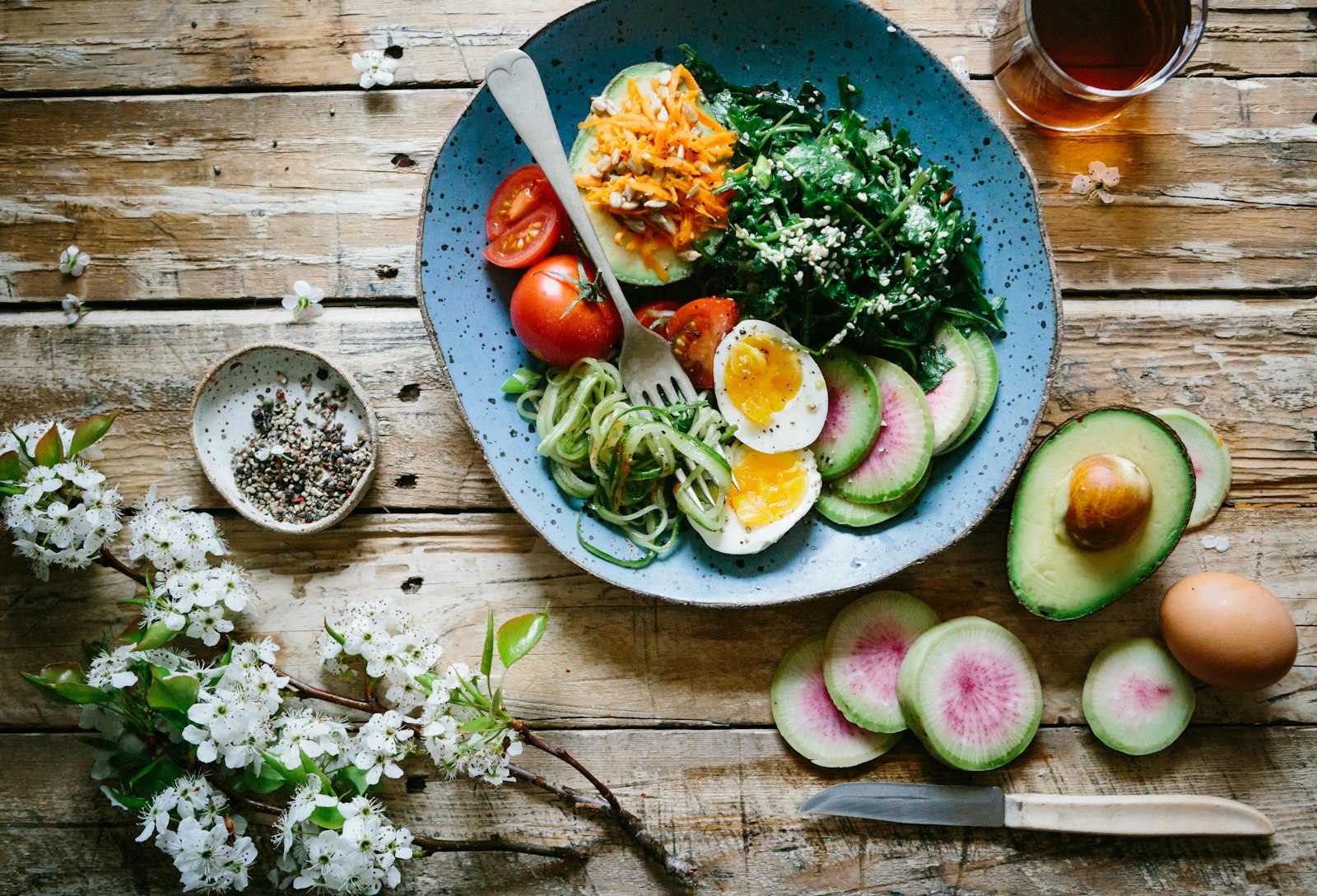
If you feel hungry again one hour after breakfast, the problem is usually not your willpower. It is the structure of the meal.
Many common breakfasts are built almost entirely from fast-digesting carbohydrates: white bread, sweet cereal, pastries, flavored coffee, fruit juice, or a small bowl of cereal with very little protein. They can taste good and give you quick energy, but they often do not keep you satisfied for long.
A more filling breakfast does not need to be expensive, complicated, or “diet” food. One of the best beginner-friendly options is a simple bowl built from oats, Greek yogurt, chia seeds, fruit, and a small handful of nuts. In many places, including the Philippines when ingredients are bought in practical portions, this can work out to roughly an $8 grocery setup for several servings — not an $8 single meal.
The goal is simple: combine protein, fiber, healthy fat, and slow-digesting carbohydrates so your stomach feels satisfied and your blood sugar stays steadier. That combination is what helps breakfast last until lunch instead of turning into a 10AM snack emergency.
Here is the breakfast formula, why it works, and how to adjust it for weight loss, busy mornings, and Filipino grocery options.
The Full-Until-2PM Breakfast Formula
The basic bowl looks like this:
- 1/2 cup rolled oats
- 1/2 to 1 cup plain Greek yogurt or high-protein yogurt
- 1 tablespoon chia seeds or ground flaxseed
- 1 small banana, apple, mango slice, or berries
- 1 tablespoon peanuts, almonds, walnuts, or peanut butter
- Cinnamon, vanilla, or a small drizzle of honey if needed
You can make it cold as overnight oats or warm it like regular oatmeal and add yogurt after cooking. If Greek yogurt is too expensive, use plain yogurt plus a boiled egg on the side. If chia seeds are pricey, use ground flaxseed, peanuts, or extra oats and fruit.
This meal is not magic. It works because it solves the three biggest breakfast mistakes: too little protein, too little fiber, and too much added sugar.
Why Protein at Breakfast Matters
Protein is one of the most important nutrients for satiety, which means the feeling of fullness after eating. A breakfast with enough protein tends to feel more satisfying than a breakfast made mostly from refined carbohydrates.
One randomized controlled trial published in the American Journal of Clinical Nutrition studied breakfast-skipping young women and compared skipping breakfast with normal-protein and higher-protein breakfasts. The higher-protein breakfast contained 35 grams of protein, while the normal-protein breakfast contained 13 grams. The researchers found that eating breakfast reduced hunger compared with skipping it, and the higher-protein breakfast improved several appetite and food-motivation measures.
That does not mean everyone needs exactly 35 grams of protein at breakfast. But it does show why a tiny, carb-heavy breakfast may not be enough for many people.
A practical target is 20 to 30 grams of protein at breakfast. You can get there with Greek yogurt, eggs, tuna, tofu, cottage cheese, milk, soy milk, chicken, beans, or a combination of smaller protein sources.
Examples:
- Greek yogurt + oats + nuts
- 2 eggs + whole grain toast + fruit
- Tofu scramble + rice + vegetables
- Tuna pandesal with cucumber and fruit
- Oats cooked with milk plus peanut butter and chia seeds
Protein is especially useful if you are trying to lose weight because it helps protect muscle while reducing hunger. The point is not to eat only protein. The point is to stop treating breakfast like dessert with a health label.
Why Fiber Keeps Hunger and Cravings in Check
Fiber is the part of plant foods your body cannot fully digest. That sounds boring, but it is one of the biggest reasons some meals keep you full longer than others.
Harvard’s Nutrition Source explains that fiber helps regulate the body’s use of sugars, helping keep hunger and blood sugar in check. Adults are generally advised to get about 25 to 35 grams of fiber per day, but many people get far less than that.
Breakfast is a good place to start because high-fiber foods are easy to add:
- Oats
- Chia seeds
- Flaxseed
- Apples
- Bananas
- Berries
- Beans
- Whole grain bread
- Sweet potato
- Vegetables
- Nuts and seeds
Fiber slows digestion and adds bulk to the meal. That means you are less likely to feel empty again quickly. It can also help reduce the “I need something sweet right now” feeling that often hits after a sugary breakfast.
The key is to increase fiber gradually and drink enough water. If you go from very low fiber to a huge chia-and-bean breakfast overnight, your stomach may complain. Start small and build up.
The Problem With Sweet Breakfasts
A sweet breakfast is not automatically bad. Fruit, oats, yogurt, and even a little honey can all fit into a healthy meal.
The problem is when breakfast is mostly added sugar and refined flour, with almost no protein or fiber. That combination can leave you with quick energy followed by a crash.
Common examples include:
- Sweet cereal with little protein
- White bread with jam only
- Pastries or donuts
- Flavored coffee drinks as “breakfast”
- Juice instead of whole fruit
- Instant oatmeal packets with lots of added sugar
These foods are easy to overeat because they digest quickly and do not provide much satiety. You may feel full for a short time, then hungry, sleepy, or snacky before lunch.
A better rule is this: if breakfast is sweet, anchor it with protein and fiber.
For example, banana oatmeal with Greek yogurt is very different from a banana muffin and sweet coffee. One is a balanced meal. The other is closer to dessert.
How to Build the $8 Grocery Setup
The exact price depends on your country and store, but the idea is to buy simple ingredients that create several filling breakfasts.
A budget-friendly setup might include:
- Rolled oats
- Plain yogurt or Greek yogurt
- Bananas or apples
- Peanuts or peanut butter
- Chia seeds, flaxseed, or another seed if affordable
- Cinnamon or cocoa powder for flavor
If Greek yogurt is the expensive part, do not force it. Use one of these alternatives:
- 2 boiled eggs on the side
- Plain yogurt plus milk
- Tofu cubes or tofu scramble
- Canned tuna with whole grain bread
- Soy milk in oats
- Leftover chicken or beans
The best breakfast is not the one that looks perfect on Instagram. It is the one you can repeat during a normal week without spending too much or making your morning harder.
Overnight Oats Version
This is the easiest version if mornings are busy.
In a jar or container, mix:
- 1/2 cup rolled oats
- 1/2 cup yogurt
- 1/2 cup milk or soy milk
- 1 tablespoon chia seeds or ground flaxseed
- 1 chopped banana or apple
- Cinnamon
Leave it in the fridge overnight. In the morning, add peanuts, almonds, or peanut butter.
If it is too thick, add more milk. If it is too sour, add a small drizzle of honey. If you need more protein, add more yogurt or eat a boiled egg with it.
This works well because breakfast is already done before you wake up. Less decision-making means less chance of grabbing something sugary.
Warm Oatmeal Version
If you prefer a warm breakfast, cook oats with water, milk, or soy milk. Once cooked, add banana, cinnamon, and peanut butter. Add yogurt after cooking so it stays creamy.
For extra protein, try:
- Stirring in milk instead of water
- Adding Greek yogurt after cooking
- Eating eggs on the side
- Adding tofu or soy milk if you prefer plant-based options
Warm oatmeal can be more comforting, especially if you usually crave bread or pastries in the morning. The trick is not to make it too plain. Add texture and flavor so it feels like a real meal.
Filipino-Friendly Breakfast Swaps
If oats and yogurt are not your style, use the same formula with familiar foods.
Try these combinations:
- Boiled eggs + saba banana + peanuts
- Tuna pandesal with cucumber + fruit
- Tofu scramble + small rice portion + vegetables
- Monggo or beans + egg + fruit
- Greek yogurt + banana + peanuts
- Oats with milk, banana, and peanut butter
Rice can fit too. The issue is usually not rice itself; it is a plate that is mostly rice with very little protein, vegetables, or fiber. If you eat rice at breakfast, keep the portion reasonable and add protein and vegetables.
For example, eggs with a smaller rice portion and tomato is more filling than plain rice with sweet coffee. Tuna, tofu, beans, or chicken can all make breakfast more satisfying.
What If You Are Trying to Lose Weight?
A filling breakfast can help weight loss, but only if it fits your total day. You can still overeat healthy foods, especially nuts, peanut butter, honey, and large portions of oats.
For weight loss, keep the structure but watch portions:
- Use 1/3 to 1/2 cup oats
- Choose plain yogurt instead of sweetened yogurt
- Use 1 tablespoon peanut butter, not 4
- Use whole fruit instead of juice
- Add protein before adding more carbs
- Avoid turning the bowl into a dessert with lots of honey, chocolate, and toppings
The goal is not to make the smallest breakfast possible. A tiny breakfast can backfire if it causes overeating later. The goal is a breakfast that is satisfying enough to prevent constant snacking but not so large that it wipes out your calorie deficit.
What If You Are Not Hungry in the Morning?
Not everyone needs breakfast at the same time. If you naturally prefer a later first meal and you feel good, that can be fine.
But if skipping breakfast leads to overeating, sugar cravings, headaches, low energy, or a huge lunch, try a smaller protein-rich option instead of forcing a big meal.
Simple choices include:
- Yogurt and banana
- Boiled eggs
- Milk or soy milk with oats
- A small tuna sandwich
- Fruit with peanut butter
You can also eat breakfast later, around mid-morning. The timing matters less than the quality and consistency of the meal.
The 3-Part Breakfast Check
Before you eat breakfast, ask three questions:
1. Where is the protein?
2. Where is the fiber?
3. Where is the healthy fat or slow carb?
If the answer is “nowhere,” the meal probably will not last long.
A coffee and pastry fails the check. Sweet cereal often fails too. Oats with yogurt, fruit, and nuts passes. Eggs with whole grain toast and fruit passes. Tofu with vegetables and rice can pass.
This simple check is easier than counting every calorie or macro. It teaches you to build meals that work with your hunger instead of fighting it all day.
Bottom Line
The breakfast that keeps you full until 2PM is not one specific recipe. It is a formula: protein + fiber + slow carbs + a little healthy fat.
Oats, Greek yogurt, chia seeds, fruit, and nuts are an easy version. Eggs, tofu, tuna, beans, rice, and fruit can work too. The best choice is the one you can afford, enjoy, and repeat.
If your breakfast leaves you hungry by 10AM, do not blame your discipline first. Fix the meal structure. Add protein. Add fiber. Reduce added sugar. Keep it simple.
A better breakfast will not solve every health problem, but it can make the rest of your day much easier.
Sources
- Leidy HJ, et al. “Beneficial effects of a higher-protein breakfast on appetitive, hormonal, and neural signals…” American Journal of Clinical Nutrition, 2013.
- Harvard T.H. Chan School of Public Health, The Nutrition Source: Fiber.
- StatPearls: Physiology, Obesity Neurohormonal Appetite and Satiety Control.