<!DOCTYPE html>
<html>
<head>
<title>The Silent Heart Attack Signs Women Miss</title>
<style>
body { font-family: system-ui, sans-serif; line-height: 1.6; max-width: 800px; margin: 0 auto; padding: 20px; }
h2 { color: #2c5aa0; border-bottom: 2px solid #eee; padding-bottom: 10px; }
h3 { color: #444; }
blockquote { background: #f9f9f9; border-left: 4px solid #2c5aa0; padding: 10px 20px; margin: 20px 0; }
.stat { background: #e8f4f8; padding: 15px; border-radius: 8px; margin: 20px 0; }
ul, ol { margin: 15px 0; padding-left: 25px; }
li { margin-bottom: 8px; }
</style>
</head>
<body>
<h1>The Silent Heart Attack Signs Women Miss</h1>
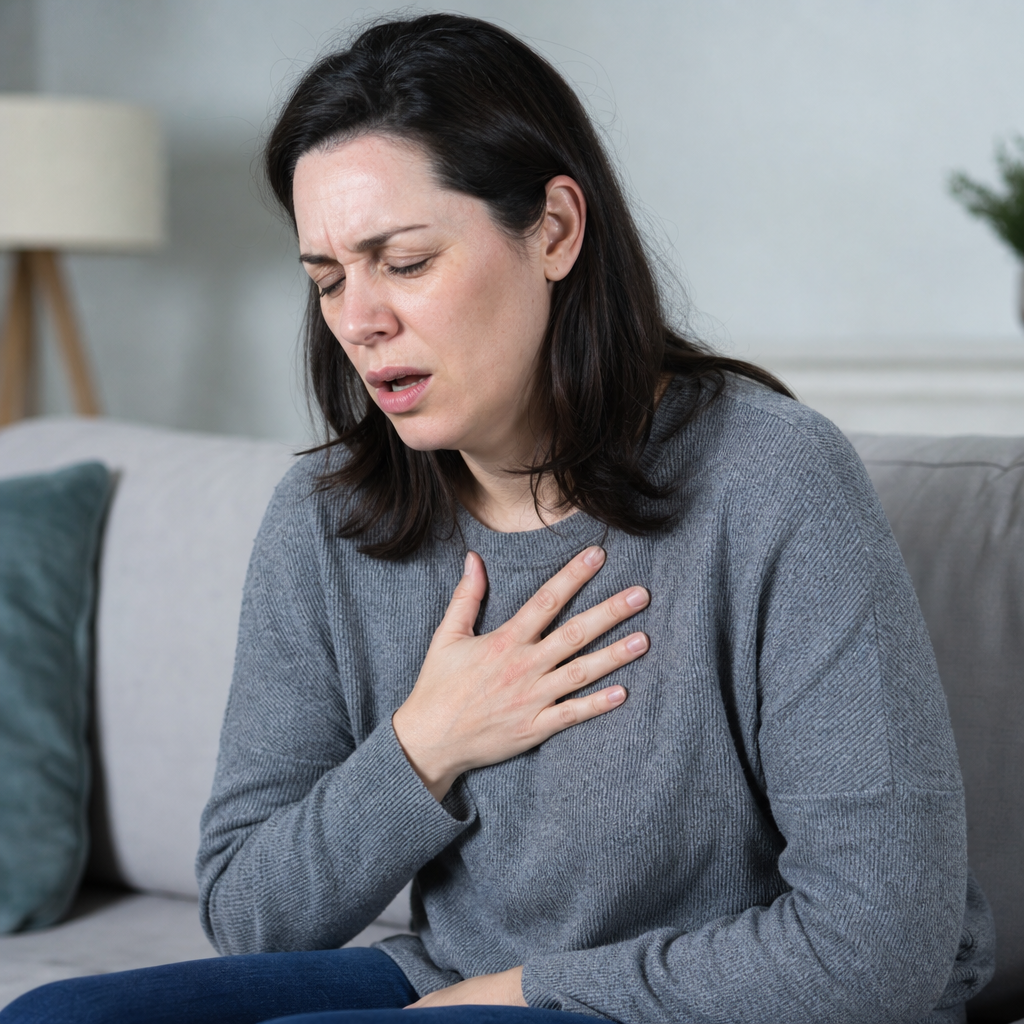
<p>Heart attacks aren’t always dramatic, chest‑clutching events. For many women, especially those over 40, a heart attack can happen with no chest pain at all—just vague, easy‑to‑ignore symptoms that are often mistaken for indigestion, fatigue, or anxiety. These “silent” heart attacks account for nearly half of all heart attacks in women, and they’re far more dangerous because they go untreated.</p>
<p>In this article, we’ll uncover the subtle, often‑overlooked signs of a silent heart attack in women, explain why women’s symptoms differ from men’s, and give you a clear action plan to protect yourself or someone you love.</p>
<h2>1. What Is a Silent Heart Attack?</h2>
<p>A silent heart attack (or silent myocardial infarction) is a heart attack that occurs without the classic, crushing chest pain most people expect. It still damages heart muscle, reduces cardiac function, and raises the risk of a second, more severe heart attack—but because its symptoms are mild or unusual, it’s often dismissed as something else.</p>
<div class=”stat”>
<strong>Key Stat:</strong> According to the American Heart Association, about 45% of heart attacks in women are “silent”—meaning they lack the typical chest‑pain presentation.
</div>
<p>Silent heart attacks are particularly dangerous because women are more likely to delay seeking medical help. By the time they realize something is seriously wrong, irreversible damage may have already occurred.</p>
<h2>2. Statistics: How Common Are Silent Heart Attacks in Women?</h2>
<p>Research paints a sobering picture:</p>
<ul>
<li><strong>American Heart Association</strong> – Silent heart attacks account for roughly 45% of all heart attacks in women, compared to about 30% in men.</li>
<li><strong>Framingham Heart Study</strong> – Up to 50% of women who suffer a heart attack experience no chest pain, and many don’t realize they’ve had one until a later ECG or cardiac imaging reveals old damage.</li>
<li><strong>Women’s Health Initiative</strong> – Among post‑menopausal women, silent heart attacks were the leading cause of undiagnosed cardiovascular events, accounting for nearly 60% of first‑time heart attacks in women over 65.</li>
<li><strong>Journal of the American College of Cardiology</strong> – Women under 55 are three times more likely than men to have a heart attack without chest pain, and they’re also more likely to die from it because of delayed treatment.</li>
</ul>
<div class=”stat”>
<strong>Key Finding:</strong> Silent heart attacks increase the risk of heart failure by 35% and raise the likelihood of a second, fatal heart attack within five years by 50%.
</div>
<h2>3. Why Women’s Symptoms Are Different</h2>
<p>Women’s coronary arteries are smaller and more prone to microvascular disease—a condition where the tiny blood vessels that feed the heart become damaged. This means blockages can occur in smaller branches, causing symptoms that feel less like classic “crushing” chest pain and more like:</p>
<ul>
<li><strong>Fatigue</strong> – overwhelming, unexplained exhaustion that lasts for days</li>
<li><strong>Shortness of breath</strong> – often without chest discomfort</li>
<li><strong>Nausea or indigestion</strong> – feeling sick to your stomach, sometimes with vomiting</li>
<li><strong>Back, neck, or jaw pain</strong> – pain that radiates upwards rather than down the left arm</li>
<li><strong>Dizziness or lightheadedness</strong> – sometimes mistaken for low blood sugar or anxiety</li>
</ul>
<p>These symptoms are easy to attribute to stress, a busy schedule, or a simple stomach bug—which is why so many women ignore them until it’s too late.</p>
<h2>4. Silent Heart Attack Signs Women Often Miss</h2>
<p>Here are the top subtle signs that could signal a silent heart attack:</p>
<h3>a) Extreme Fatigue</h3>
<p>Suddenly feeling so tired you can’t climb a flight of stairs, carry groceries, or even shower without needing to rest. This fatigue doesn’t improve with sleep and may come on abruptly—sometimes days before the actual heart attack.</p>
<h3>b) Shortness of Breath Without Chest Pain</h3>
<p>Becoming winded doing routine tasks (making the bed, walking to the mailbox) without any chest discomfort. This happens because the heart isn’t pumping efficiently, leaving the lungs oxygen‑starved.</p>
<h3>c) Nausea, Vomiting, or “Indigestion” That Won’t Go Away</h3>
<p>Persistent nausea, especially when combined with cold sweats, can be a sign of heart distress. Many women mistake it for food poisoning or a stomach virus.</p>
<h3>d) Unexplained Anxiety or a Sense of Impending Doom</h3>
<p>A sudden, overwhelming feeling that something terrible is about to happen—even when there’s no obvious reason. This is your nervous system reacting to reduced blood flow to the heart.</p>
<h3>e) Back, Neck, or Jaw Pain</h3>
<p>Pain that feels like a deep ache or pressure in the upper back, neck, or jaw—often without any chest pain. This “referred pain” occurs because the heart shares nerve pathways with these areas.</p>
<h3>f) Cold Sweats</h3>
<p>Breaking out in a cold, clammy sweat without fever or exertion. Unlike hot flashes, these sweats feel more like a “drenching” chill and often accompany nausea or dizziness.</p>
<h3>g) Sleep Disturbances</h3>
<p>Waking up gasping for air, experiencing unusual insomnia, or feeling excessively tired despite a full night’s sleep can be early warning signs of heart trouble.</p>
<div class=”stat”>
<strong>Key Stat:</strong> A 2022 study in the journal <em>Circulation</em> found that women who experienced any two of these subtle symptoms were <strong>65% more likely</strong> to suffer a fatal cardiac event within the next five years compared to women who had no symptoms.
</div>
<h2>5. Risk Factors That Increase Silent Heart Attack Likelihood</h2>
<p>Certain factors make women more susceptible to silent heart attacks:</p>
<ul>
<li><strong>Diabetes</strong> – Diabetic women are five times more likely to have a silent heart attack because high blood sugar damages the nerves that transmit pain signals.</li>
<li><strong>High Blood Pressure</strong> – Uncontrolled hypertension strains the heart and can mask symptoms with generalized discomfort.</li>
<li><strong>Menopause</strong> – Declining estrogen levels reduce the protective effect on blood vessels, increasing the risk of coronary microvascular disease.</li>
<li><strong>Obesity</strong> – Excess weight raises inflammation and insulin resistance, both of which accelerate heart disease.</li>
<li><strong>Family History</strong> – A parent or sibling who had a heart attack before age 55 (for men) or 65 (for women) doubles your risk.</li>
<li><strong>Sedentary Lifestyle</strong> – Lack of physical activity weakens the heart muscle and reduces its ability to compensate during a blockage.</li>
</ul>
<h2>6. How to Know If You’ve Had a Silent Heart Attack</h2>
<p>Because silent heart attacks don’t announce themselves dramatically, many women only discover they’ve had one during a routine check‑up or after a second, more severe event. Key indicators include:</p>
<ul>
<li><strong>Unexplained Fatigue</strong> that doesn’t improve with rest</li>
<li><strong>Shortness of Breath</strong> with minimal exertion</li>
<li><strong>Persistent Palpitations</strong> or a feeling that your heart is “fluttering”</li>
<li><strong>Swelling</strong> in your ankles, feet, or abdomen (a sign of heart failure)</li>
</ul>
<p>If you suspect you may have had a silent heart attack, see a cardiologist. They can order tests like:</p>
<ul>
<li><strong>Electrocardiogram (ECG/EKG)</strong> – can reveal previous heart damage</li>
<li><strong>Echocardiogram</strong> – shows how well your heart is pumping</li>
<li><strong>Cardiac MRI</strong> – provides detailed images of scar tissue from past heart attacks</li>
<li><strong>Blood Tests</strong> – elevated troponin levels indicate recent heart muscle injury</li>
</ul>
<h2>7. Prevention Strategies</h2>
<p>You can dramatically lower your risk of a silent heart attack by:</p>
<h3>a) Know Your Numbers</h3>
<p>Keep track of your blood pressure, cholesterol, blood sugar, and body mass index (BMI). Aim for:</p>
<ul>
<li><strong>Blood pressure</strong> below 120/80 mmHg</li>
<li><strong>LDL cholesterol</strong> under 100 mg/dL</li>
<li><strong>Fasting blood sugar</strong> below 100 mg/dL</li>
<li><strong>BMI</strong> between 18.5 and 24.9</li>
</ul>
<h3>b) Move More, Sit Less</h3>
<p>Aim for at least 150 minutes of moderate‑intensity aerobic exercise (like brisk walking) per week, plus two sessions of strength training. Even small amounts of movement—like taking the stairs or parking farther away—add up.</p>
<h3>c) Eat a Heart‑Healthy Diet</h3>
<p>Focus on whole foods: vegetables, fruits, whole grains, lean proteins, and healthy fats (olive oil, nuts, avocados). Limit processed foods, added sugars, and trans fats. The Mediterranean diet is especially protective.</p>
<h3>d) Manage Stress</h3>
<p>Chronic stress raises cortisol and inflammation, both of which damage blood vessels. Try mindfulness, deep‑breathing exercises, yoga, or simply scheduling regular downtime.</p>
<h3>e) Quit Smoking</h3>
<p>Smoking narrows arteries, raises blood pressure, and reduces oxygen in the blood—a triple threat for heart attacks. Even cutting back helps, but quitting completely is the goal.</p>
<h3>f) Limit Alcohol</h3>
<p>Stick to no more than one drink per day for women. Excessive alcohol raises blood pressure and contributes to weight gain.</p>
<div class=”stat”>
<strong>Key Stat:</strong> According to the American College of Cardiology, women who follow all seven of the American Heart Association’s “Life’s Simple 7” guidelines (manage blood pressure, control cholesterol, reduce blood sugar, get active, eat better, lose weight, stop smoking) reduce their risk of a silent heart attack by <strong>82%</strong>.
</div>
<h2>8. What to Do If You Experience These Symptoms</h2>
<p>If you notice any of the subtle signs listed above—especially if they’re new, worsening, or come on suddenly—don’t wait.</p>
<ol>
<li><strong>Call emergency services</strong> – Dial your local emergency number (911 in the US) immediately. Don’t drive yourself.</li>
<li><strong>Chew an aspirin</strong> – If you’re not allergic and your doctor hasn’t told you otherwise, chewing a regular (325 mg) aspirin can help thin your blood and limit heart damage.</li>
<li><strong>Stay calm and sit down</strong> – Avoid exertion. Loosen tight clothing and try to breathe slowly.</li>
<li><strong>Inform the responders</strong> – Tell the emergency crew exactly what you’re feeling, even if it seems vague. Mention if you have any risk factors (diabetes, high blood pressure, family history).</li>
</ol>
<p><strong>Remember:</strong> It’s always better to be safe than sorry. Women are more likely to dismiss heart‑attack symptoms as “nothing serious.” Don’t be one of them.</p>
<h2>9. Conclusion</h2>
<p>Silent heart attacks in women are a hidden epidemic. Because they lack the dramatic chest‑pain hallmark, they’re often missed—with devastating consequences. By learning the subtle signs (fatigue, shortness of breath, nausea, back/jaw pain, cold sweats) and taking proactive steps to reduce your risk, you can protect your heart and potentially save your life.</p>
<p>Share this article with the women in your life. Awareness is the first step toward prevention.</p>
<p><em>Disclaimer: This article is for informational purposes only and is not a substitute for professional medical advice, diagnosis, or treatment. Always seek the advice of your physician or other qualified health provider with any questions you may have regarding a medical condition.</em></p>
</body>
</html>