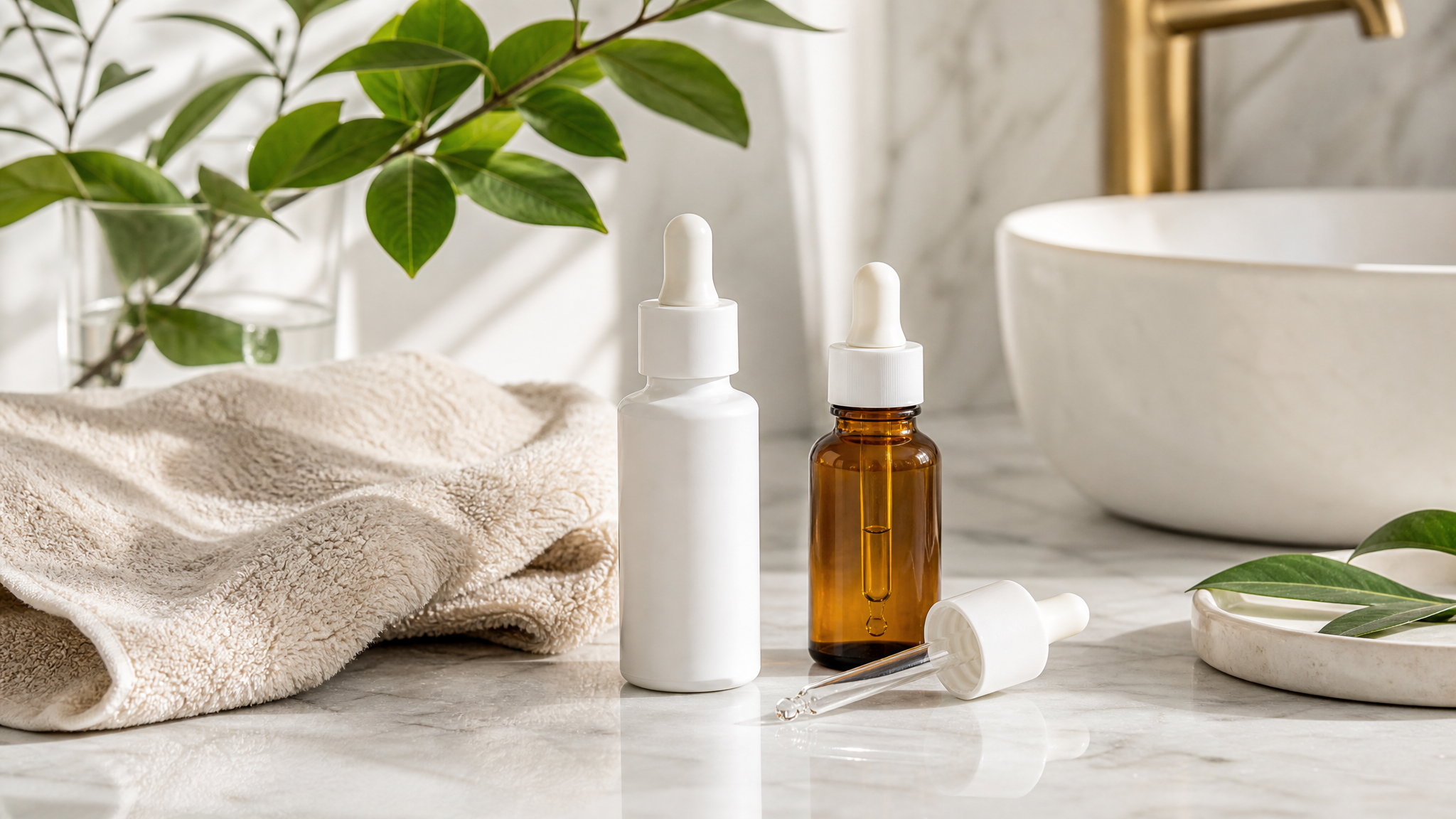
If you have ever stood in the skincare aisle wondering which active ingredient is actually worth the money, niacinamide deserves a spot near the top of the list. It is not flashy. It does not peel your face like a strong retinoid. It does not sting like some vitamin C serums. And it usually does not cost much. But this form of vitamin B3 has become one of the rare skincare ingredients that works for many different skin goals at once: barrier support, oil control, visible redness, uneven tone, fine lines, and general “my skin looks calmer” maintenance.
That is why dermatologists and cosmetic chemists keep recommending it. Niacinamide is not a miracle cure, and it will not replace sunscreen, acne medication, or prescription treatments when those are needed. But as an everyday serum ingredient, it is unusually practical. The best part: many solid niacinamide products are under $10 to $20, which makes it one of the most budget-friendly upgrades in a basic routine.
Here is what niacinamide actually does, who should use it, what percentage to look for, and how to add it without irritating your skin.
What Is Niacinamide?
Niacinamide, also called nicotinamide, is a water-soluble form of vitamin B3. In the body, vitamin B3 helps support important coenzymes involved in cellular energy and repair processes. On the skin, topical niacinamide is valued because it can support the outer barrier, improve moisture retention, and calm visible signs of inflammation.
A 2004 review in the Journal of Cosmetic Dermatology summarized several of niacinamide’s skin effects: reduced transepidermal water loss, improved moisture content in the stratum corneum, increased ceramide synthesis, support for keratin production, and visible benefits for aging skin, pigment irregularities, acne-prone skin, and barrier disorders. In plain English: it helps the skin act more like a healthy, sealed, resilient surface.
This matters because many skin problems are barrier problems in disguise. When your skin barrier is weak, water escapes more easily, irritants get in more easily, and everything feels more reactive. That can show up as dryness, redness, stinging, tightness, rough texture, or breakouts that seem to flare whenever you try a new product. Niacinamide is useful because it is less about forcing the skin to do something dramatic and more about helping it function better.
Why Dermatologists Recommend It So Often
Dermatologists tend to like ingredients that are evidence-informed, well tolerated, easy to combine with other treatments, and realistic for patients to use consistently. Niacinamide checks those boxes. It is found in simple drugstore moisturizers, lightweight serums, acne products, barrier creams, and anti-aging formulas. It also plays well with many common routine staples, including hyaluronic acid, ceramides, peptides, gentle retinoids, and sunscreen.
Unlike some actives, niacinamide does not make your skin more sun-sensitive. That does not mean you can skip sunscreen. UV radiation is still a major driver of photoaging and skin cancer risk, and broad-spectrum sunscreen remains the non-negotiable morning step. But niacinamide can fit neatly into a morning routine because it is not a photosensitizing exfoliant.
Another reason it is recommended so widely: it can be useful for multiple skin types. Oily skin may appreciate its sebum-balancing effect. Dry skin may benefit from barrier and ceramide support. Sensitive skin may tolerate it better than acids or high-strength retinoids. Combination skin can use it without needing a complicated routine for every zone of the face.
The Main Skin Benefits of Niacinamide
1. Barrier support. Your skin barrier depends partly on lipids such as ceramides. Research reviews have noted that niacinamide can stimulate ceramide synthesis and reduce transepidermal water loss. That means skin may hold onto water more effectively and feel less tight or flaky over time.
2. Less visible redness and irritation. Niacinamide has anti-inflammatory properties, which is why it is often used in formulas for acne-prone or redness-prone skin. It is not a replacement for rosacea treatment, but many people find it helps their skin look calmer.
3. Oil control without stripping. Some oily-skin products work by drying the skin aggressively, which can backfire. Niacinamide is gentler. It may help reduce the appearance of excess oil while still supporting the barrier.
4. More even-looking tone. Niacinamide is commonly used in formulas that target dark spots and uneven tone. It appears to help reduce the transfer of pigment to skin cells, which can make discoloration look less obvious with consistent use. It is slower and subtler than prescription pigment treatments, but it is also easier to tolerate.
5. Fine lines and texture support. Niacinamide will not deliver the same remodeling effect as prescription tretinoin, but it can improve the look of surface texture, dullness, and fine lines by supporting hydration, barrier function, and overall skin resilience.
What Percentage Should You Use?
This is where skincare marketing gets a little silly. If 5% is good, brands assume 10% must sound better, and 20% must sound irresistible. But skin does not always reward the highest number.
For most people, a niacinamide concentration around 2% to 5% is a smart starting range. It is enough to be useful while keeping irritation risk low. Many moisturizers include niacinamide in this range even if the front label does not scream about it.
A 10% niacinamide serum can work well, especially for oily skin or people targeting visible pores and uneven tone. But if your skin is sensitive, easily flushed, or currently over-exfoliated, 10% may be more than you need at first. Some people experience temporary flushing, stinging, or tiny bumps from higher-strength formulas, especially when layered with too many other active products.
The practical rule: start lower if your skin is reactive, and start slowly if you choose a 10% serum. You do not get bonus points for irritation.
How to Add Niacinamide to Your Routine
The easiest way is to choose one niacinamide product, not three. More is not automatically better. If your cleanser, toner, serum, moisturizer, and sunscreen all contain niacinamide, your total exposure may be higher than you realize.
A simple morning routine could look like this:
- Gentle cleanser or rinse with water
- Niacinamide serum or niacinamide-containing moisturizer
- Broad-spectrum SPF 30 or higher
A simple evening routine could look like this:
- Gentle cleanser
- Niacinamide serum
- Moisturizer with ceramides or glycerin
If you already use retinol, niacinamide can often be used in the same routine because it may help buffer dryness. For example, apply niacinamide first, then moisturizer, then a pea-sized amount of retinol, or use niacinamide in the morning and retinol at night. If you use exfoliating acids, keep the routine calmer: acid on some nights, niacinamide and moisturizer on recovery nights.
Who Should Be Careful With It?
Niacinamide is generally well tolerated, but no ingredient works for everyone. Be careful if your skin barrier is already compromised from over-exfoliation, sunburn, a recent procedure, or a flare of eczema or dermatitis. In that case, pause strong actives and focus on a bland moisturizer until the skin settles.
People with very sensitive skin should patch test first. Apply a small amount to the side of the face or behind the ear for a few nights before using it everywhere. If you get burning, persistent redness, swelling, or an itchy rash, stop using it. A little temporary tackiness or mild tingling is different from true irritation, but your skin gets the final vote.
Also check the full ingredient list. Sometimes niacinamide gets blamed when the real problem is fragrance, drying alcohol, essential oils, or a strong exfoliant in the same product. If your skin reacts, compare formulas before deciding niacinamide itself is the villain.
Best Budget Product Types to Look For
You do not need a luxury serum. The most sensible choices are boring in the best way: fragrance-free, simple, and compatible with sunscreen and moisturizer.
For oily or acne-prone skin: look for a lightweight 5% to 10% niacinamide serum. Popular budget examples include The Ordinary Niacinamide 10% + Zinc 1% and similar zinc-and-niacinamide formulas. Zinc is often included for oily skin, though it can feel drying for some people.
For dry or sensitive skin: a moisturizer with niacinamide, ceramides, glycerin, or hyaluronic acid may be smarter than a high-strength serum. Many barrier-focused drugstore creams include niacinamide without making it the headline. This route is often better if your skin stings easily.
For uneven tone: consider niacinamide paired with sunscreen, azelaic acid, vitamin C, tranexamic acid, or licorice root extract. The pairing matters because dark spots get worse with UV exposure. Without daily sunscreen, brightening products are fighting uphill.
Affiliate-friendly picks to compare: a budget 10% niacinamide serum, a fragrance-free ceramide moisturizer with niacinamide, and a broad-spectrum facial sunscreen. If you buy through affiliate links, choose based on skin type rather than hype: oily skin usually likes lighter gels and serums, while dry skin usually does better with creamier barrier products.
Common Mistakes That Make Niacinamide “Not Work”
Using it for three days and expecting a new face. Barrier and tone improvements take time. Give it at least 6 to 8 weeks of consistent use before judging results, unless it irritates you.
Layering it with too many actives. A routine with niacinamide, vitamin C, glycolic acid, salicylic acid, retinol, and a scrub is not “advanced.” It is a barrier disaster waiting to happen. Keep the routine simple enough that your skin can recover.
Skipping sunscreen. Niacinamide may help the look of uneven tone, but sunscreen prevents daily UV damage from undoing your progress. The American Academy of Dermatology recommends broad-spectrum sunscreen with SPF 30 or higher as part of sun protection.
Choosing the strongest percentage first. If your skin is dry or sensitive, a 10% or 20% serum can be too much. A lower-strength serum or moisturizer can be more effective simply because you can use it consistently.
The Bottom Line
Niacinamide is not trendy because it is dramatic. It is trendy because it is practical. For a relatively low price, it can support the skin barrier, reduce the look of redness, help with oiliness, improve uneven tone, and make a basic routine feel more complete. That is a rare combination.
If you are building a routine from scratch, start with cleanser, moisturizer, and sunscreen first. Then add niacinamide if you want a gentle active that fits almost anywhere. Choose 2% to 5% if your skin is sensitive, consider 10% if you are oily or experienced with actives, and avoid turning your bathroom shelf into a chemistry experiment.
The best skincare ingredient is not the one with the loudest marketing. It is the one you can use consistently without making your skin angry. For a lot of people, niacinamide is exactly that.
Sources
- Gehring W. “Nicotinic acid/niacinamide and the skin.” Journal of Cosmetic Dermatology, 2004. PubMed PMID: 17147561.
- National Center for Biotechnology Information, StatPearls: “Sunscreens and Photoprotection.”
- American Academy of Dermatology: face washing and everyday skin care guidance.