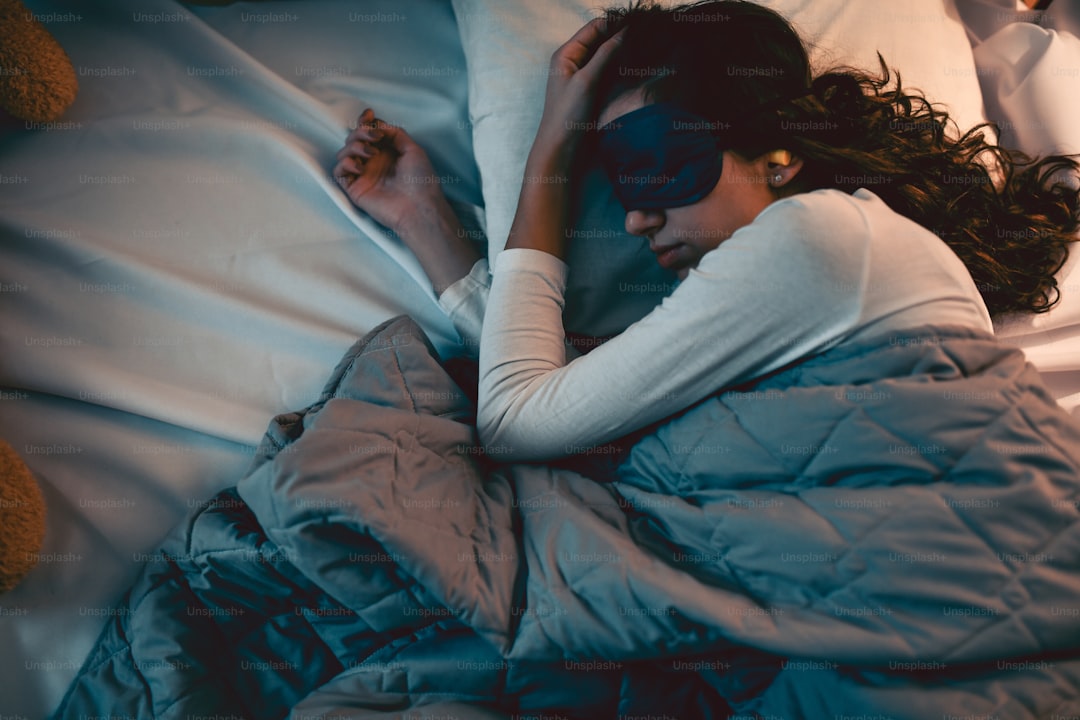
Night Sweats: 6 Causes That Aren’t Menopause
If you’ve ever woken up drenched in sweat, your first thought might be “menopause.” While hormonal changes are a common culprit, they’re far from the only reason. Night sweats can strike anyone—men, women, young adults—and often point to underlying health issues that deserve attention.
In this guide, we’ll explore six surprising causes of night sweats that have nothing to do with menopause. From thyroid problems to hidden infections, understanding these triggers can help you find relief and protect your long-term health.
1. Hyperthyroidism: When Your Thyroid Is in Overdrive
Your thyroid gland regulates metabolism, temperature, and energy. When it produces too much hormone (hyperthyroidism), your body’s internal thermostat goes haywire. You may feel hot, restless, and sweat excessively—day and night.
Why it happens: An overactive thyroid speeds up all bodily processes, including sweat production. Your sympathetic nervous system stays revved up, even during sleep.
What to watch for: Unexplained weight loss, rapid heartbeat, anxiety, trembling hands, and heat intolerance.
Cooling Mattress Topper for Relief
While you address the root cause, a cooling mattress topper can make nights more comfortable. Look for gel‑infused memory foam or phase‑change materials that dissipate heat.
2. Diabetes & Nocturnal Hypoglycemia
Low blood sugar (hypoglycemia) at night triggers a surge of adrenaline—the “fight‑or‑flight” hormone—which can drench you in sweat. People with diabetes, especially those on insulin or certain oral medications, are at higher risk.
Why it happens: When blood sugar drops too low, your body releases adrenaline to raise it. Adrenaline increases heart rate, causes shaking, and stimulates sweat glands.
What to watch for: Sweating accompanied by confusion, dizziness, hunger, or nightmares. Checking your blood glucose with a continuous monitor can reveal patterns.
Continuous Glucose Monitors (CGMs)
Modern CGMs like Freestyle Libre or Dexcom G7 provide real‑time glucose readings without finger‑pricks. They can alert you to nighttime drops before symptoms strike.
3. Anxiety & Chronic Stress
Your brain doesn’t shut off stress just because you’re asleep. Chronic anxiety keeps cortisol levels elevated, which can disrupt temperature regulation and trigger night sweats.
Why it happens: Stress activates the hypothalamic‑pituitary‑adrenal (HPA) axis, raising core body temperature. It also increases sympathetic nervous system activity, leading to sweating.
What to watch for: Night sweats coupled with racing thoughts, muscle tension, daytime fatigue, and a sense of dread.
Natural Stress‑Relief Supplements
Magnesium glycinate and ashwagandha are well‑studied for calming the nervous system. Pair them with a bedtime routine that includes deep‑breathing exercises.
4. Medications (SSRIs, Steroids, and More)
Many prescription drugs list night sweats as a side effect. Antidepressants (especially SSRIs), steroids, hormone‑blockers, and even some blood‑pressure medications can interfere with your body’s thermostat.
Why it happens: These drugs alter neurotransmitter levels or hormone pathways that influence sweat‑gland activity and core temperature.
What to watch for: New sweating that starts shortly after beginning a medication. Never stop a prescription without consulting your doctor.
5. Sleep Apnea
Obstructive sleep apnea (OSA) causes repeated pauses in breathing, which starves your body of oxygen. Your brain responds with a adrenaline surge to restart breathing—and that surge often includes heavy sweating.
Why it happens: Each apnea event is a mini‑panic attack for your nervous system. The resulting sympathetic activation raises heart rate, blood pressure, and sweat production.
What to watch for: Loud snoring, gasping for air, daytime sleepiness, and morning headaches alongside night sweats.
CPAP Machines & Accessories
Continuous Positive Airway Pressure (CPAP) therapy is the gold standard for moderate‑to‑severe sleep apnea. Modern machines are quieter, smarter, and more comfortable than ever.
6. Hidden Infections (TB, HIV, Endocarditis)
Night sweats are a classic symptom of systemic infections like tuberculosis, HIV, bacterial endocarditis, and certain fungal diseases. Your immune system raises your body’s temperature to fight the invader, leading to drenching sweats.
Why it happens: Inflammatory cytokines released during infection reset the hypothalamus (the body’s thermostat) to a higher set‑point. When the fever breaks, you sweat profusely.
What to watch for: Unexplained weight loss, persistent cough, fever, fatigue, and swollen lymph nodes. If you have risk factors or travel history, get tested.
When to See a Doctor
Occasional night sweats from a warm room or a spicy dinner are normal. But if you experience any of the following, schedule a visit with your healthcare provider:
- Night sweats that occur regularly (more than once a week)
- Sweating so heavy you need to change bedding or clothes
- Accompanying symptoms like fever, weight loss, or chest pain
- New sweating that starts after beginning a medication
- A personal or family history of thyroid disorders, diabetes, or sleep apnea
A thorough evaluation often includes blood tests (thyroid panel, glucose, infection markers), a sleep study, or imaging. Identifying the root cause is the first step toward restful, dry nights.
Bottom Line
Night sweats are more than a nuisance—they’re a signal. While menopause is a common explanation, six other conditions deserve equal consideration: hyperthyroidism, nocturnal hypoglycemia, anxiety, medications, sleep apnea, and hidden infections.
By paying attention to accompanying symptoms and seeking professional guidance, you can address the underlying issue instead of just masking the sweat. And while you work with your doctor, simple comfort measures like moisture‑wicking sleepwear, a cooling mattress topper, and stress‑reducing routines can make a world of difference.
Stay informed, stay cool, and sleep well.