Why You Should Never Drink Water During Meals (And When to Drink Instead)
You’ve probably heard the advice: “Drink plenty of water throughout the day.” But if you’re sipping water with every bite, you might be sabotaging your digestion—and your health.
For decades, nutritionists have warned against drinking water during meals, claiming it dilutes stomach acid and slows digestion. But is that really true? And if so, when should you drink water for optimal nutrient absorption?
Let’s dive into the science behind hydration timing, how it affects your gut, and the surprising right way to drink water.
1. What Happens When You Drink Water With Food?
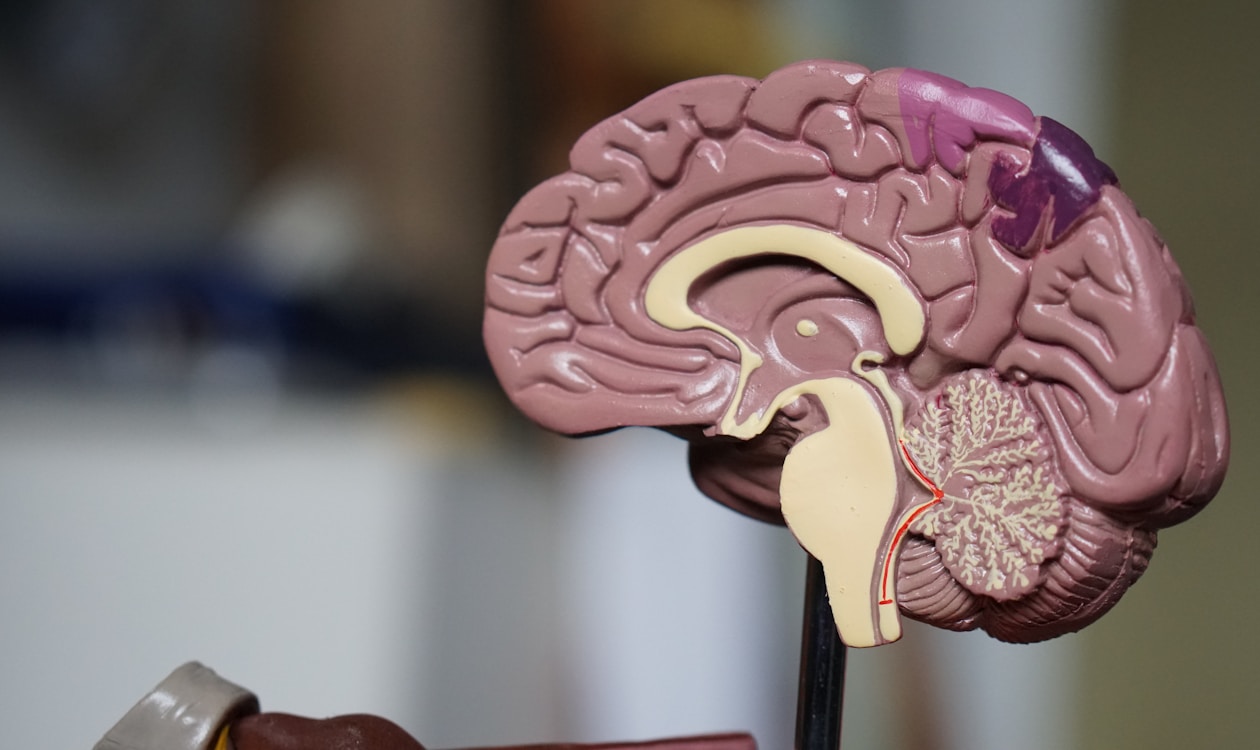
Your stomach is a highly acidic environment (pH ~1.5–3.5) designed to break down proteins, kill pathogens, and activate digestive enzymes. Drinking large amounts of water with a meal can temporarily raise the pH, reducing the stomach’s acidity.
A 2016 study in the Journal of Gastroenterology and Hepatology found that consuming 500 mL of water with a meal reduced gastric acidity by about 20 % for up to 30 minutes. That may not sound like much, but for people with already low stomach acid (common in older adults), it can be enough to impair protein digestion and increase the risk of bacterial overgrowth.
2. The Enzyme Dilemma
Stomach acid isn’t just for breaking down food—it also signals the pancreas to release digestive enzymes. When acidity drops, enzyme secretion can be delayed or reduced. This means carbohydrates, fats, and proteins may not be fully broken down, leaving them to ferment in the intestines (hello, gas and discomfort).
This is especially important for people with conditions like hypochlorhydria (low stomach acid) or those taking acid‑reducing medications (PPIs, H2 blockers). For them, drinking water during meals can worsen digestive symptoms.
3. The Blood‑Sugar Connection
Here’s a surprising twist: drinking water before a meal can actually help regulate blood sugar. A 2015 study in Clinical Nutrition showed that drinking 500 mL of water 30 minutes before a meal reduced post‑meal blood‑sugar spikes in people with type 2 diabetes.
Why? Pre‑meal hydration improves gastric emptying and may enhance insulin sensitivity. On the flip side, drinking water during the meal can speed up gastric emptying too much, causing carbohydrates to hit the small intestine faster and potentially leading to sharper blood‑sugar rises.
4. When Water Helps Digestion
Not all water intake during meals is bad. Small sips are fine—and sometimes beneficial. For example, if you’re eating a dry, dense food (like crackers or granola bars), a little water can help with swallowing and initial breakdown.
The key is volume. A few ounces (≈100 mL) spread throughout the meal won’t significantly affect stomach acidity. It’s the large glass (500 mL+) that causes problems.
5. The Right Time to Drink Water
If you shouldn’t drink during meals, when should you drink? Follow this timeline:
- 30 minutes before a meal: Drink 1–2 glasses of water to prepare your stomach and improve hydration status.
- During the meal: Limit yourself to small sips (no more than ½ cup total).
- 60 minutes after eating: Resume normal drinking. This gives your stomach enough time to complete the acidic phase of digestion.
- Throughout the day: Aim for steady hydration between meals, not just around meal times.
6. What About Other Drinks?
Coffee, tea, soda, and alcohol have an even greater impact on digestion:
- Coffee & tea contain tannins that can bind to minerals (iron, zinc) and reduce absorption.
- Soda introduces carbon dioxide, which can distend the stomach and lead to belching and reflux.
- Alcohol can inhibit enzyme secretion and increase stomach‑lining irritation.
If you must drink something with your meal, herbal teas like ginger or peppermint (without sweeteners) can actually aid digestion by relaxing the stomach muscles.
7. Who Should Be Most Careful?
- People with acid reflux (GERD): Drinking water with meals can increase gastric volume and pressure, pushing acid upward.
- Those with slow digestion (gastroparesis): Extra liquid adds volume without adding nutritional value, prolonging fullness and discomfort.
- Anyone taking thyroid medication: Thyroid hormones are best absorbed on an empty stomach; drinking water with your pill can reduce absorption.
- Athletes and bodybuilders: Proper protein digestion is critical for muscle repair; diluting stomach acid can impair that process.
8. Practical Tips to Try Today
- Set a timer: Drink a glass of water 30 minutes before each meal.
- Use a small cup: If you need to sip during meals, use a 4‑oz cup instead of a large glass.
- Chew thoroughly: Saliva contains digestive enzymes (amylase) that start breaking down carbs. Chewing well reduces the need for extra liquid.
- Monitor your symptoms: Pay attention to bloating, gas, or discomfort after meals. Try skipping water with meals for a week and see if symptoms improve.
- Hydrate between meals: Carry a water bottle and sip steadily throughout the day so you’re not thirsty at mealtime.
9. Hydration and Weight Loss
Drinking water at the right times can also support weight‑loss efforts. Pre‑meal hydration has been shown to reduce calorie intake by promoting satiety. A 2018 study in Obesity found that participants who drank 500 mL of water 30 minutes before each meal lost 2 kg more over 12 weeks than those who didn’t.
When you drink water before eating, it partially fills the stomach, sending stretch signals to the brain that reduce hunger. This can help you eat smaller portions without feeling deprived. Conversely, drinking water during meals may dilute nutrients and slow digestion, potentially leaving you feeling unsatisfied and more likely to snack later.
10. Myth vs Fact
Myth: “You must drink 8 glasses of water a day, no matter what.”
Fact: Hydration needs vary by activity level, climate, diet, and individual physiology. Thirst is a reliable indicator for most healthy people.
Myth: “Drinking water during meals flushes toxins out of your body.”
Fact: Your liver and kidneys are responsible for detoxification; drinking water with meals doesn’t enhance that process. In fact, diluting stomach acid can impair the breakdown of toxins bound to proteins.
Myth: “Ice‑cold water with meals burns extra calories.”
Fact: While your body uses a tiny amount of energy to warm cold water, the effect is negligible (<10 calories per glass). The downsides of cold water (slowing digestion) outweigh any minimal calorie‑burn benefit.
11. The Bottom Line
Drinking water during meals isn’t a “never” rule—it’s a “how much” rule. Large quantities can dilute stomach acid, slow digestion, and contribute to bloating and nutrient malabsorption. Small sips are generally fine.
For optimal digestion, drink most of your water 30 minutes before and 60 minutes after eating. If you have digestive issues (reflux, bloating, slow digestion), try avoiding water with meals altogether and see if your symptoms improve.
Disclaimer: This article is for informational purposes only and is not a substitute for professional medical advice. Always consult your healthcare provider before making changes to your diet or hydration habits.